Understanding Chronic Low Back Pain: What It Is & What You Can Do
Sep 30, 2025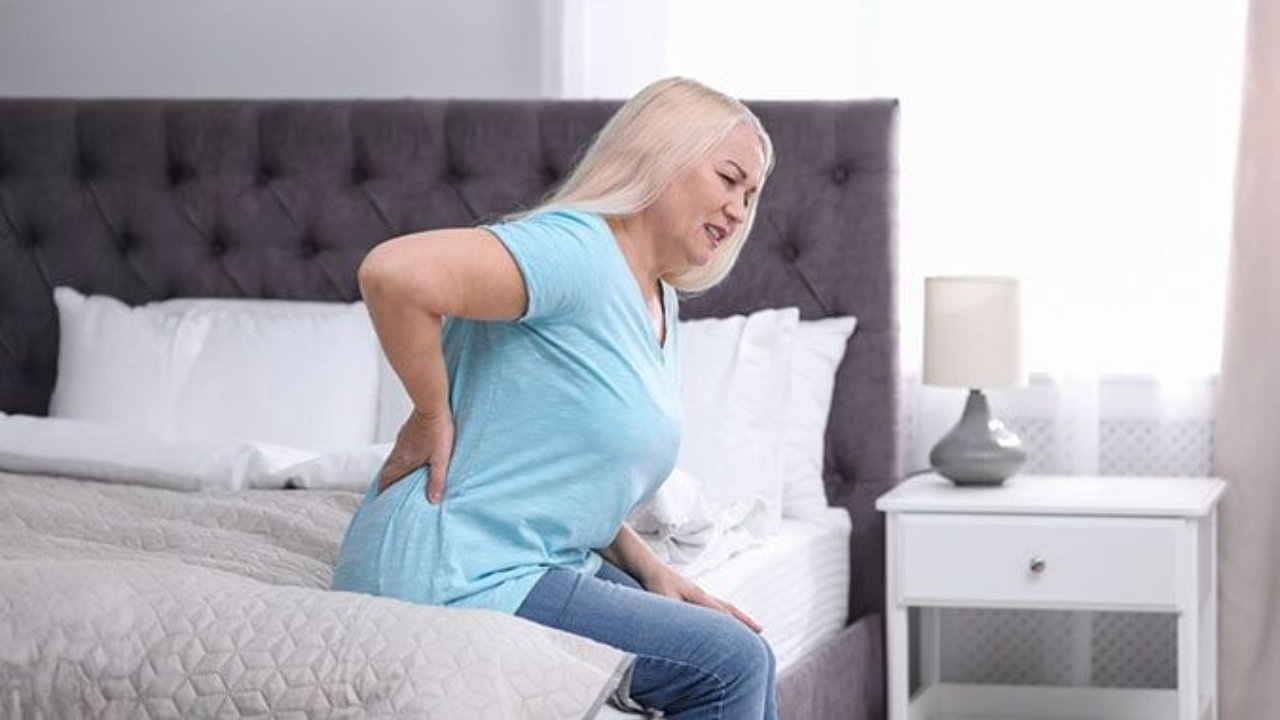
If you're one of the millions who deal with low back pain that just won’t quit, this post’s for you. We’ll walk through what chronic low back pain is, why it happens, how to recognize it, and—most importantly—what you can do to finally start finding relief.
What does "Chronic Low Back pain" Mean?
“Chronic” usually refers to pain that lasts longer than about 3 months. Low back pain of this type isn’t just a one-off strain or ache that disappears—it tends to linger, often flaring up several times, sometimes with seemingly small triggers. It’s the kind of pain that can interfere with daily life and make it hard to stay active.
Common Causes and "Risk Factors"
Chronic low back pain rarely comes from a single, obvious injury. Usually, it’s a mix of factors such as:
Signs & Symptoms to Watch For
It helps to know when you might be dealing with chronic low back pain and when it's time to get help. Key symptoms include:
Seek immediate medical care if you experience red-flag symptoms like sudden weakness, loss of bowel/bladder control, fever, or rapid weight loss.
What Helps: Relief & Management Strategies
The good news? Even chronic low back pain can improve. It often takes a combination of strategies and a bit of patience.
1. Stay Active
Gentle movement is usually better than extended rest. Walking, light stretching, and back-friendly exercises can help promote healing and reduce stiffness.
2. Use Ice, Not Heat
Ice can calm inflammation and help reduce pain, especially during flare-ups. Apply it for 15–20 minutes at a time, several times a day.
3. Work With a Low Back Pain Specialist
Long-term relief isn’t about masking symptoms—it’s about identifying and treating the root cause. A specialist who focuses on low back issues can evaluate how you move, spot hidden imbalances, and create a personalized plan to help you heal for good.
4. Lifestyle Adjustments
Related Resources
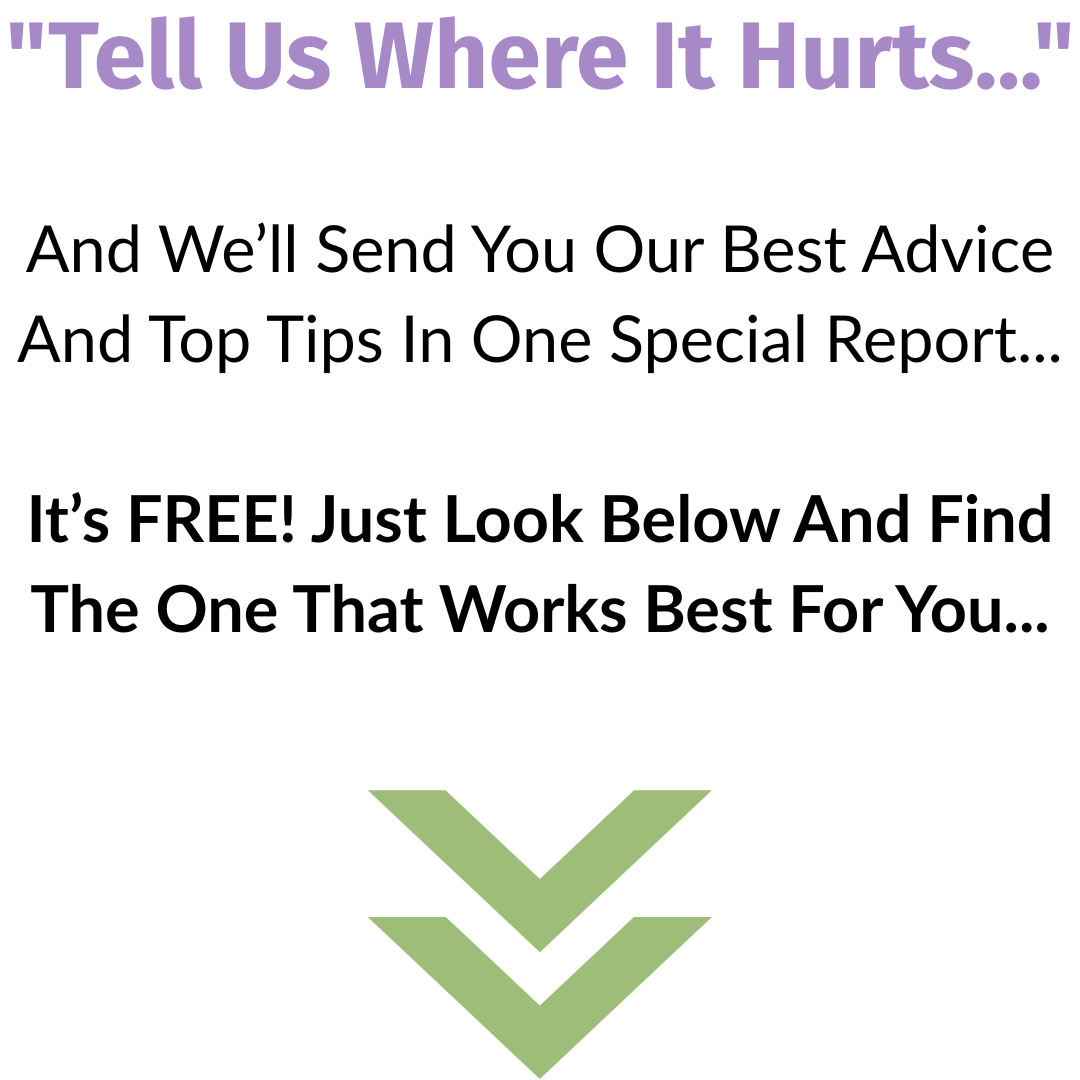
If you want to dive deeper into back pain—its causes, how it’s treated, prevention tips, and more—check out our Back Pain Guide. It’s full of practical advice to help you understand your back better.
Living in Maple Valley, WA? Let’s Get You Moving Forward
We know that people in Maple Valley, WA and the surrounding area often feel stuck—literally! If you’re done struggling with low back pain and ready to take action, we offer a Free Consultation. It’s a no-pressure way to see where you’re at, what your back needs, and what kind of plan might work for you—not just what works in general.
Whether it’s understanding how your daily habits affect your spine or figuring out a movement plan that fits your life (kids, work, hobbies), that visit is all about helping you get unstuck.
Regular Health Tips From Dr. Amy Konvalin Delivered to Your Inbox...
Use the Form Below to Get Them All Sent to You for FREE
We hate SPAM. We will never sell your information, for any reason.